
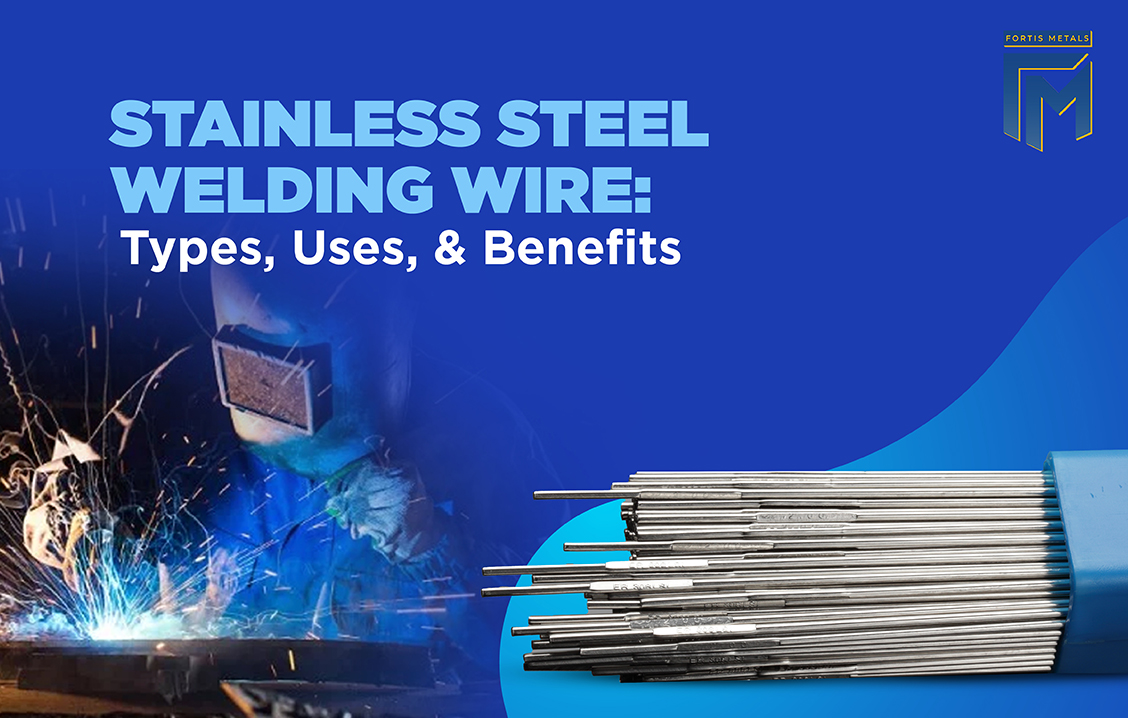
Stainless Steel Welding Wire: Types, Uses, and Benefits
Stainless steel welding wire is a significant element in modern fabrication and manufacturing to enable corrosion-resistant joints with high strength in many areas of the manufacturing industry. Whether it be large industrial buildings or small parts that are very precise, the type of stainless steel welding wire selected can have a huge impact on the quality, longevity and overall performance of the weld.
In the welding industry, stainless steel welding wire has the advantage of being versatile, having great tensile strength and providing a smooth surface (clean finish). This blog will help educate you about stainless steel welding wire, including the different types, applications, advantages and how to use it effectively so you may make right choices when selecting stainless steel welding wire for your welding project.
What Is Stainless Steel Welding Wire?
Stainless steel welding wire is an easily consumed metal wire that will be melted into a joint to provide a solid connection between two base metal pieces through a welding process.
Composition and Role in Welding
The composition of this wire includes an iron alloy that also contains chromium, nickel and additional elements. The chromium content of this wire has high corrosion protection characteristics, and the nickel enhances the strength and ductility. The wire is being used as a filler material to ensure that the welded area will have similar or better mechanical properties than the base materials.
Common Uses of Stainless Steel Welding Wire
There are many uses of stainless steel welding wire in various manufacturing areas, including stainless steel fabrication, automotive parts, aerospace parts, construction equipment, food processing equipment, chemical plants, and marine environments, all require some level of corrosion protection.
Types of Stainless Steel Welding Wire
Solid vs. Flux-Cored Stainless Steel Welding Wire
Solid and flux-cored stainless steel welding wires are two different types of stainless steel welding wires. Solid stainless steel welding wire is commonly used in MIG and TIG welding processes and needs a protective shield of gas (external). It provides a very clean weld with very good control.
Flux-cored stainless steel welding wire has the flux contained inside the wire itself. This allows for use without an external shield of gas in many instances. It can be used outdoors or on heavy-duty jobs when high winds could interfere with the gas cover.
ER308L, ER309L, ER316L: What Do the Numbers Mean?
- ER308L is the best choice when welding 304 SS and will provide you with a weld that is highly resistant to corrosion
- ER309L is an ideal choice when welding dissimilar metal combinations (i.e., stainless to mild) in order to provide good corrosion resistance
- ER316L has higher levels of Molybdenum than the other two wires and is therefore designed for use in chemical and salt water applications
The "L" designation in each of these wires designates them as having lower carbon content than their counterparts without this designation. Lower carbon content can help to reduce or eliminate the occurrence of cracking/corrosion of your welds.
Other Specialty Stainless Steel Welding Wires
There are specialty wire options that can withstand extremely high temperatures, extreme corrosion, and/or meet the requirements of food-grade to allow for use in furnaces, pharmaceutical equipment, and hygienic process systems.
Choosing the Right Stainless Steel Welding Wire
Factors to Consider When Selecting Welding Wire
The most important factors when selecting a metal-cored or solid wire are base material, welding orientation, diameter of the wire, the work environment and the mechanical properties you need.
How to Choose the Right Type Based on Your Project
With TIG welding, using a thin solid wire provides a high degree of precision and produces a good, clean weld. Whereas, in MIG welding, thick solid wires produce fast depositions. Choosing the appropriate grade of wire ensures that your final product will perform reliably over time and minimise post-welding problems.
The Welding Process: How Stainless Steel Welding Wire Works
MIG vs. TIG Welding with Stainless Steel Wire
MIG Welding is generally better suited for speed and production and uses continuously fed stainless steel wire. TIG Welding also provides high precision welds using a separate filler rod and is therefore better suited for thin material, and/or very critical welds.
Welding Techniques for Different Types of Stainless Steel Wire
Proper heat input is critical, as excessive heat will warp or burn through the material, while inadequate heat will produce poor-quality welds. Maintaining a controlled feed of the wire, maintaining a consistent travel speed and using an optimal shielding gas are all important practices for MIG and TIG Welding.
Benefits of Using Stainless Steel Welding Wire
Corrosion Resistance
The presence of chromium in stainless steel welding wire makes it resistant to rust and chemical corrosion and is therefore superior in this regard to most other welding materials.
Durability and Strength
Steel welds made from stainless steel are strong and durable, and can withstand heavy loads as well as be used in long-term applications.
Aesthetic Appeal
Because stainless steel welding wire produces very little spatter when welded, the finished weld will have a polished and professional look that is especially important for exposed welds.
Common Problems and How to Fix Them
Poor Arc Stability
You can have bad arc stability with improper voltage or dirty wire. You will get better arc stability when you are using a new wire, and you adjust your weld parameters appropriately.
Wire Feeding Issues
When you have irregular feed, you could have liner problems or improper tension. Properly maintaining your equipment on a regular basis will ensure that you have a consistent wire feed to your MIG welder.
Overheating and Burn-Through
Reducing the amount of current, using an appropriate wire size, and keeping a steady motion while welding are all ways to keep your wire from getting over heated.
Best Practices for Storing and Handling Stainless Steel Welding Wire
Storage Tips to Prevent Corrosion
Store your welding wire in a location having dry and clean atmosphere. After use, store your welding wire sealed in the same packaging. This method will protect against moisture causing rust on your welding wire.
How to Handle Stainless Steel Welding Wire Safely
Prior to handling stainless steel welding wire always put on gloves to avoid oils &/or moisture on the wire. Also, be very careful when handling your welding wire so as not to bend the wire &/or damage the surface of the wire.
Stainless Steel Welding Wire vs. Other Welding Wires
Comparing Stainless Steel Wire to Mild Steel and Aluminum
The advantages of stainless steel welding wire include higher strength as well as better corrosion resistance as compared to mild steel and significantly stronger than aluminum, providing a product suitable for harsh environments.
Cost vs. Performance
Although stainless steel welding wire can be expensive as an initial investment, in most cases it is worth that investment over time due to less required maintenance, longer life, and increased reliability.
Top Brands and Manufacturers of Stainless Steel Welding Wire
Leading Manufacturers to Consider
Welding wire suppliers such as Fortis Metal NA Inc. have good quality products, are composed of good materials, and consistently perform well in all applications.
How to Choose a Trusted Manufacturer
Compliance with international regulations, consistent product quality, and product technical support are things to consider in choosing a welding wire supplier.
Conclusion
Stainless steel welding wire is a must to make an aesthetically pleasing, robust, and corrosion-resistant weld. For this, determining the correct grade and knowing the correct application is essential in obtaining the desired outcome.
The selection of the correct stainless steel welding wire may vary depending on what you are attempting to do with your project, where your project will be (an indoor vs. outdoor location) and how you intend to perform the welding operation.
In this case, Fortis Metal NA Inc. guides you to review the variety of stainless steel welding wire products available as well as to get expert opinions from experienced welding professionals who can assist in selecting the most suitable stainless steel welding wire for your specific application. Contact Fortis Metal NA Inc. today!