
Carbon Steel Angle Bars: Properties, Uses & Benefits
Angle Bars made from Carbon Steel are one of the most widely used structural materials in the Manufacturing Industry and the Construction Industry. Due to its low cost and good balance between mechanical properties, such as tensile strength and durability, it is commonly utilized for support of reinforcement systems, structural frameworks, etc. The bar's versatility makes it a primary material for many industries, such as building and bridge construction, equipment manufacturers, etc., due to the need for cost-effective, stable components which can be easily fabricated. As a result, the use of carbon steel angle bars provides the structural integrity and precision needed by engineers.
What Is a Carbon Steel Angle Bar?
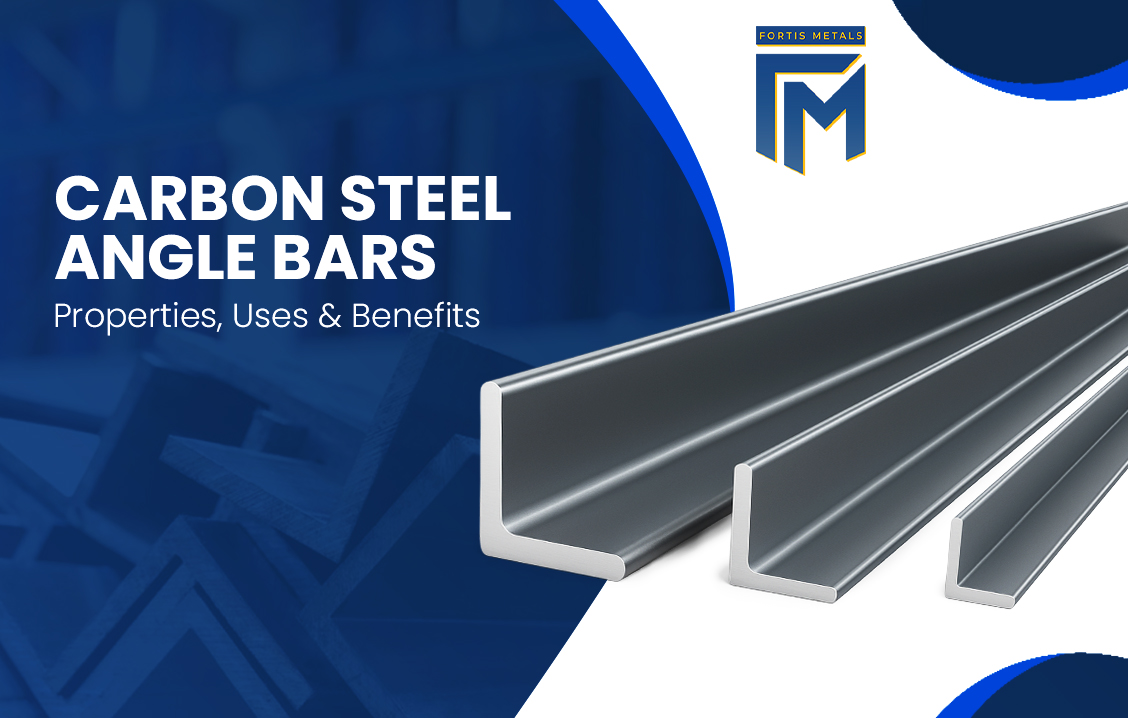
A Carbon Steel Angle Bar is a species of structural bar that takes the form of an inverted "L", used to provide a high level of structural strength and stability in construction projects such as buildings and engineering. A Carbon Steel Angle Bar is made of carbon steel (an alloy of iron and carbon) and the level of carbon which is present in the alloy will make it more or less hard, strong in tension and durability.
Carbon Steel Angle Bars generally fall into two categories: Equal Angle Bars, which have equal leg lengths, and Unequal Angle Bars, which have unequal leg lengths; the latter is utilized in many instances to accommodate non-symmetrically applied loads. Angle bars may be produced using either hot-rolled or cold-rolled manufacturing processes based on the desired properties of the finished product. Due to their structural efficiency, carbon steel angle bars are very commonly utilized to frame structures, connect structural members together, and provide structural integrity in a variety of different industrial environments.
Key Properties and Features
The strength of structural and fabrication capabilities of carbon steel angle bars is based on an amalgamation of their mechanical and physical properties.
- Strength: The tensile strength of carbon steel is much higher than many other metals, which enables it to sustain high levels of stress while maintaining its structural integrity.
- Weldability: Allowing for ease of welding, cutting, bending and shaping of these bar types enables flexibility and versatility when performing fabrication and assembly operations.
- Corrosion Resistance: Galvanizing, coating, and treating carbon steel angle bars offer protection against corrosion and oxidation as well as enhance resistance to harsh environmental conditions.
- Structural Integrity: Due to their strength and dimensional stability, carbon steel angle bars provide excellent resistance to deformation, allowing for consistent and accurate dimensions throughout their lifespan.
- Affordability: Compared to stainless steel and other specialty alloy materials, carbon steel offers a significant cost savings advantage for engineers, contractors, builders and fabricators.
Due to the favourable balance of performance and design flexibility that they provide, carbon steel angle bars are a first choice material for many industries, including engineering, building, infrastructure and industrial fabrication.
Industrial Applications of Carbon Steel Angle Bars
Carbon steel angle bars have flexibility and high strength that enable them to be utilized across a variety of different markets and applications in the construction industry.
- Construction: Carbon steel angle bars are used by contractors for a multitude of applications, including but not limited to building frames, support beams, roof truss systems and reinforcement for both commercial and residential structures.
- Automotive: Carbon steel angle bars are also used as part of the automotive industry as well as the heavy equipment industry, specifically to help build the framework for chassis, body frames and to provide support for heavy equipment.
- Infrastructure Development: Carbon steel angle bars are utilized to build communication towers, bridges, railways and pipelines. These applications require the ability to withstand the weight of the structure being built, which is why carbon steel is used.
- Fabrication and Machinery: The flexibility of carbon steel makes it an excellent choice for use as parts in machinery, including protective barriers, conveyors, shelves, and machine mounts. As with all types of machinery and equipment, the parts need to be able to withstand the stresses of day-to-day use; therefore, the use of carbon steel provides the necessary durability and strength needed to meet this requirement.
Overall, regardless of the application or market, the versatility, durability and ease of modification of carbon steel angle bars make it essential to today's engineers and manufacturers.
Benefits of Using Carbon Steel Angle Bars
Carbon steel angle bar options provide several advantages to ensure long-lasting performance and to save money:
- Long Lasting & Dependable: Superior tensile strength makes it perfect for providing structural support for all your equipment needs.
- Affordable: Compared to other materials, such as stainless steel, you get the same quality and performance for much less money.
- Flexible: It is easy to work with because it can be easily cut, welded, drilled and bent into whatever shape is needed.
- Low Cost to Maintain: If they are properly coated or galvanized, these products have a very low maintenance requirement and will last a long time.
- Eco-Friendly: Because carbon steel is 100% recyclable, this option reduces waste and helps companies practice environmentally friendly ways of doing business.
Overall, these factors make carbon steel angle bar options the best choice for industries looking to purchase strong, flexible, affordable and reliable materials.
Choosing the Right Supplier for Quality Carbon Steel Angle Bars
Selecting the appropriate provider for the making of steel elements is vital for the product quality, product reliability, and product safety. A reliable and good manufacturing supplier provides an assurance that the products they manufacture are produced in accordance to specifications established by users, which by no means is exhaustive of: material properties, physical dimensions, and International quality standards, i.e. ASTM. In addition, you would expect that a good manufacturing supplier will perform all necessary testing and certification, e.g., tensile strength, and chemical composition, and surface finish.
When selecting the manufacturing supplier for your project, you will also want to consider their experience and ability to provide steel components with tolerances and loading conditions that fulfil your project specifications. Besides tolerances and loading conditions, quality control and timely delivery are also important elements in determining the overall efficacy of your work flow.
Conclusion
Carbon steel angle bars have become the backbone of modern construction, manufacturing and engineering. The combination of strength, low cost and wide application possibilities of carbon steel angle bars makes them an attractive option for many different industrial applications. Ultimately, the best possible use of these products is through their quality, and quality comes from choosing the correct supplier.
When you partner with Fortis Metal NA Inc., you are able to take advantage of high-quality raw materials, precision-engineered components, and consistent customer service. Invest in superior quality today and choose Fortis Metals for your carbon steel angle bar needs. They will provide long-lasting performance for all your project needs.