Blog
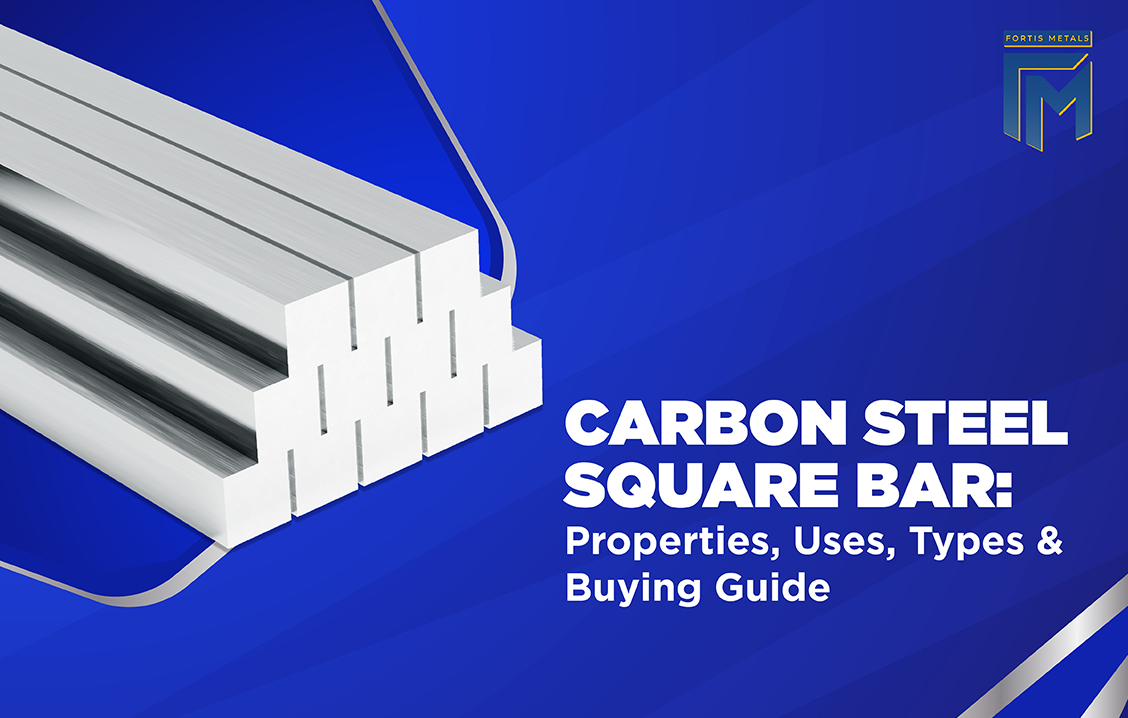
Carbon Steel Square Bar: Properties, Uses, Types & Buying Guide

Carbon Steel Square Bar: Properties, Uses, Types & Buying Guide

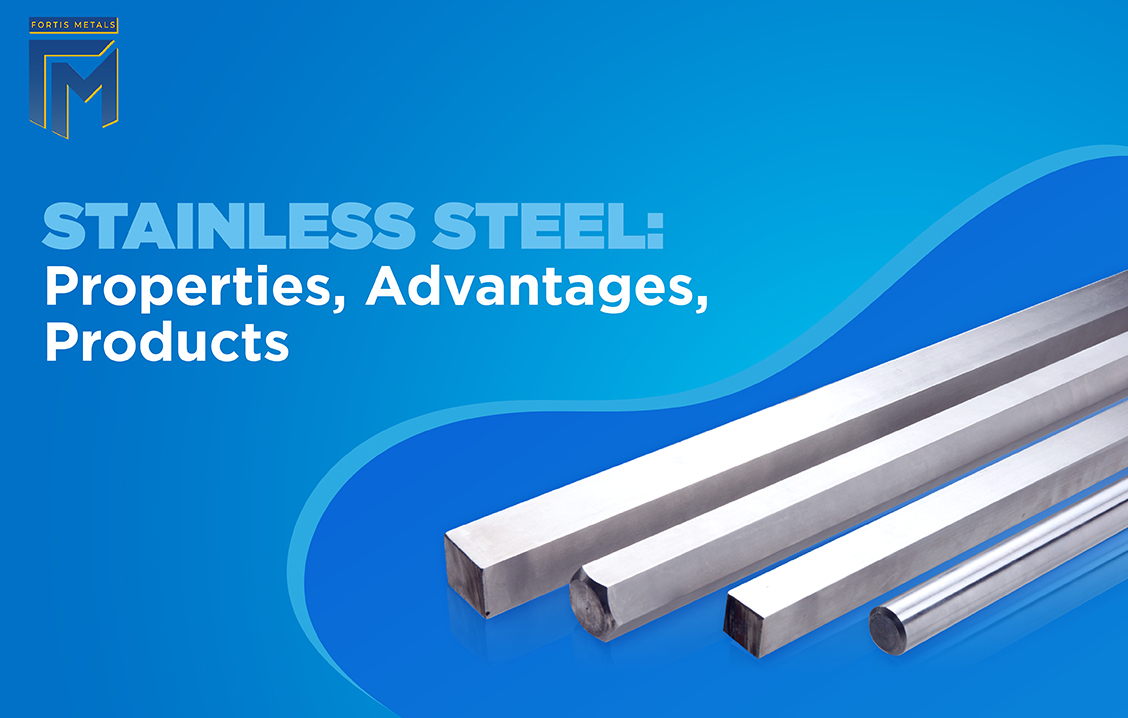
The carbon steel square bar is probably the most common metal product in manufacturing/construction engineering, known for its high strength and affordability along with being versatile, which makes them an important raw material for numerous structural/mechanical applications. Whether the application is a large-scale infrastructure project or precision machined components, carbon steel square bars can provide a reliable balance of performance/cost.

This guide will cover everything you need to know about carbon steel square bars, what they are, how they're made, their properties, types, applications and choosing the right one for your project.

What Is a Carbon Steel Square Bar?

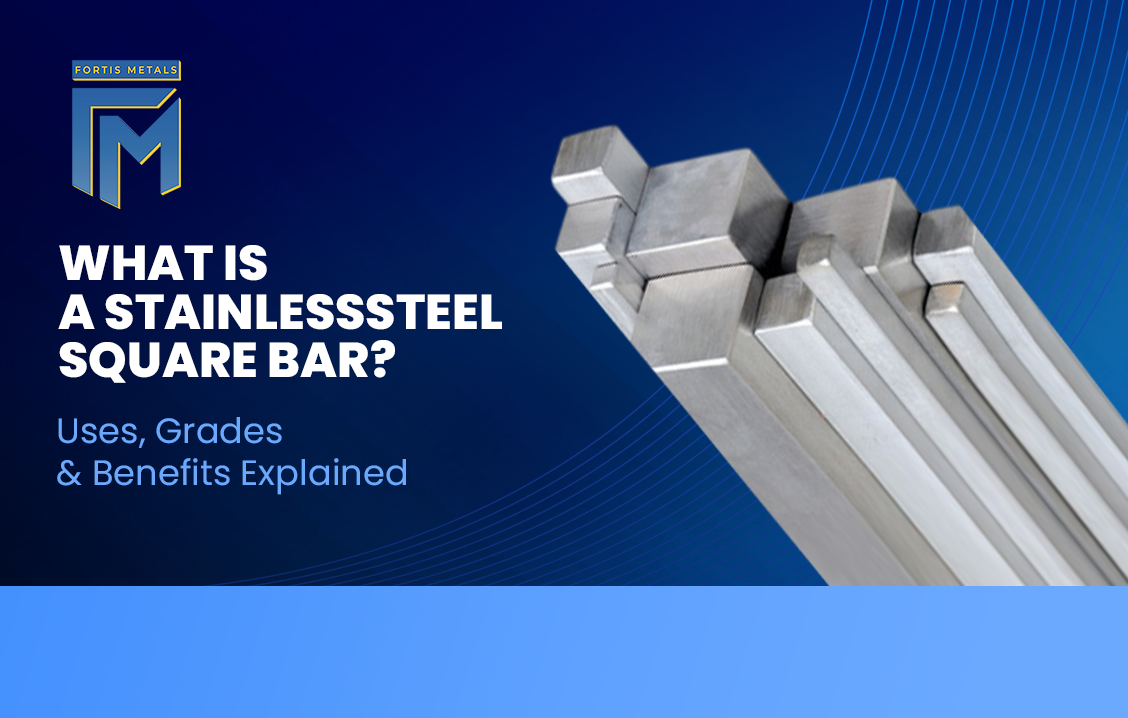
Carbon steel square bars are long metal bars that have a square cross section; they are made from an alloy consisting of mostly iron and carbon. The amount of carbon in the bar will vary depending on whether the bar is low-carbon or high-carbon as the carbon percentage will determine how strong and/or hard the bar will be as well as its ability to machine.

What Makes the Bar “Square”

When we refer to a bar being "square," we are referring to the fact that the bar has a square cross-sectional area, providing consistent strength and consistency in terms of dimension. As such, this square configuration is suitable for various applications including load bearing, machining and fabricating due to its precise geometry requirements.

How Carbon Steel Square Bars Are Manufactured

There are primarily two manufacturing processes used to produce carbon steel square bar:

  • Hot Rolled: These are manufactured at elevated temperatures with this process being the most cost effective and used for structural components where tight tolerance is not required.
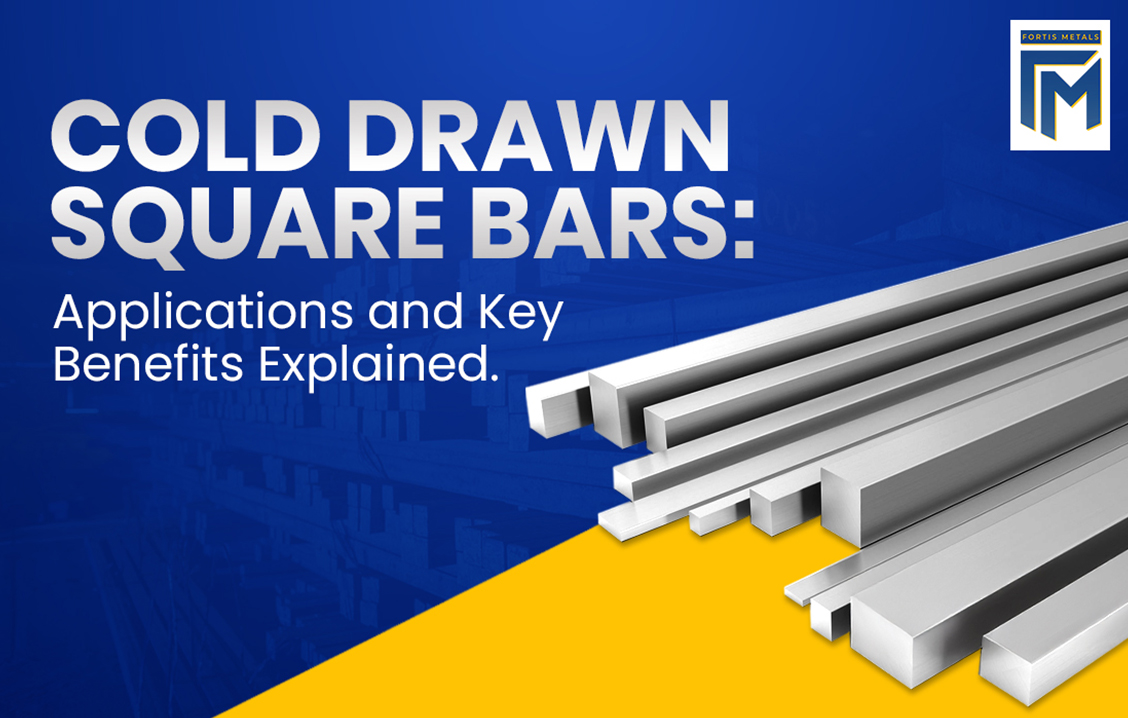
  • Cold Drawn (Cold Finishing): These bars are cold finished at room temperature providing better surface finishes, tighter tolerance and an increase in mechanical properties compared to Hot Rolled Bars. They are the preferred choice for precision parts and components.

Key Properties of Carbon Steel Square Bars

Mechanical Strength & Hardness

As carbon content increases, so does the tensile strength of square bars made from carbon steel. The result is that they can be used for structural and mechanical applications.

Durability & Wear Resistance

The medium and high carbon variants have superior wear resistance compared to other varieties, which is why they can be used for moving parts and heavy duty applications.

Workability & Machinability

The low carbon variety of square bars are easy to machine, weld, and form; however, the higher carbon grades must be heat treated prior to being able to machine.

Corrosion Resistance Considerations

When not coated with paint, oil, or surface treatments, carbon steel will rust. Coatings and oils may be applied to increase corrosion protection.

Available Sizes and Tolerances

Square bars made from carbon steel come in many different sizes and lengths and are available in a variety of tolerances depending on the project requirements.

Types of Carbon Steel Square Bars

Low Carbon Steel Square Bars

Generally soft and ductile and low-cost to buy; these are used in most construction work and as a base for many of the other types of steel bar fabricators use to build their products; they are also used in lighter structural applications.

Medium Carbon Steel Square Bars

This type of bar is harder than low-carbon, has more strength, and may be heat treated to make it even stronger. The medium carbon steel bar is used to make many of the parts that go into machinery, and the shafts that connect those parts together; it is also used in automobile parts.

High Carbon Steel Square Bars

All of the various forms of steel bars, high-carbon steel square bars have the highest level of hardness and thus provide the greatest resistance to wear. Due to their ability to resist wear, they are frequently utilized as materials for producing cutting tools and dies, as well as in spring production and in many specialized industrial applications.

Common Grades (A36, 1018, 1045)

  • A36 - A structural-grade of steel that is primarily purchased by customers for its weldability and strength properties.
  • 1018 - A low-carbon steel grade that is primarily purchased by customers due to its excellent machinability and surface finishes.
  • 1045 - A medium-carbon steel grade with greater strength and hardness characteristics than both of the preceding grades and is purchased by customers who need to perform heavy duty applications.

Applications of Carbon Steel Square Bars

Applications of Carbon Steel Square Bars

  • Building and Construction: Frames, beams, and support structures.
  • Fabricating for Industry: Bases, brackets and frame machines.
  • Mechanical and Automotive Parts: Axle shafts, mounts and shafts.
  • Tools, Shafting, and Fasteners: Tool parts, bolts, pins etc.
  • DIY projects, Home projects and Metal art: Railings, furniture, and decorative structures.

Advantages of Using Carbon Steel Square Bars

High Strength-to-Cost Ratio

Compared to other types of steel such as stainless, alloy steel etc, Carbon Steel Square Bars provide high tensile strength at a lower cost.

Versatility in Fabrication

The Carbon Steel Square Bar is readily available for cutting, welding, drilling, and machining to accommodate a variety of manufacturing applications.

Long Service Life

If properly coated and maintained, Carbon Steel Square Bars will have an extended service life.

Compatibility with Welding, Machining & Cutting

In particular, Low and Medium Carbon Grades have an advantage in that they can be welded and machined using standard methods.

Carbon Steel Square Bar vs. Other Metal Bars

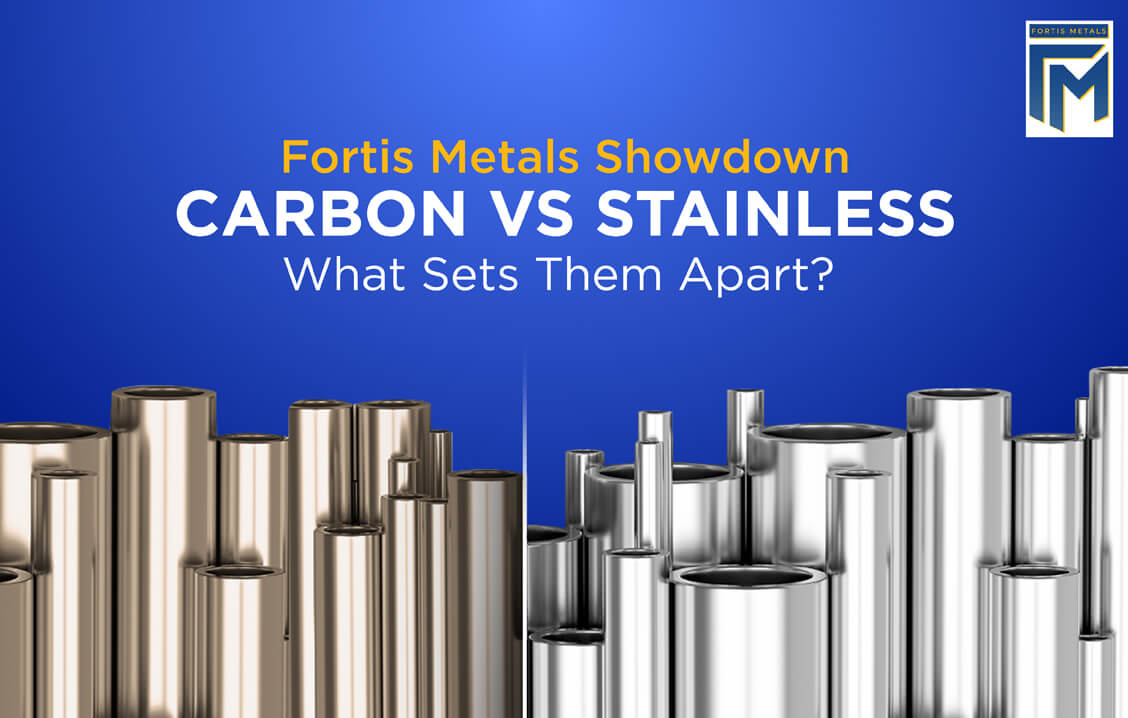
Carbon Steel vs. Stainless Steel Square Bars

Stainless steel will provide better corrosion resistance and be more expensive, while carbon steel can be used when cost and strength are more important than corrosion.

Carbon Steel vs. Alloy Steel Bars

Alloy steels have the ability to improve some property or characteristics in certain uses and generally more costly; carbon steel provides good quality and performance for general application.

Carbon Steel vs. Aluminum Bars

Aluminum has the advantage of being lighter and resistant to corrosion but lacks the strength and stiffness of carbon steel square bar.

Price & Performance Comparison

The carbon steel square bar will offer the best overall price for performance as well as flexibility for many industrial uses.

How to Choose the Right Carbon Steel Square Bar

Identifying the Proper Grade

Choose a grade of steel (hot or cold) based upon your project's machining requirements, load requirements, and if you will be requiring a heat treat process.

Checking Tolerances & Dimensional Accuracy

Cold drawing bars provide greater dimensional accuracy as well as tighter tolerance than hot rolled bars; therefore they are best suited to precision manufacturing projects.

Choosing Surface Finish

Bars that are hot rolled are generally used in structural work, whereas cold finished bars are best suited for machining, as well as aesthetic purposes.

Evaluating Your Projects Needs

Evaluate your project needs including load, working conditions, fabrication methods, and long term durability.

Tips for Working with Carbon Steel Square Bars

Cutting and Sawing Tips

Cutting/ sawing square bars with proper blade(s) and speed of cut will prevent overheating your tool, which can damage it.

Welding and Joining Advice

Welding requires cleaning of the area prior to welding and using a suitable weld filler material.

Heat Treatment Considerations

Applying heat treatments can increase the hardness of carbon steel, increasing its tensile strength, but they need to match the steel type.

Preventing Rust During Fabrication

Apply temporary protective coating or oil on the surfaces that are being worked on (not coated).

How to Store and Maintain Carbon Steel Square Bars

Proper Storage Conditions

In order to properly store a carbon steel square bar, it must be stored in a dry, covered area that is protected from moisture (i.e., rain, snow).

Rust Prevention Methods

In addition to proper storage conditions, there are methods of preventing the rust of carbon steel square bars. These include applying rust inhibitors, applying protective oils, and using wrapping materials.

Long-Term Protection Options

There are several long-term protection options for storing and maintaining carbon steel square bars including painting, galvanizing, and/or coating the carbon steel square bars, which will prolong their service life.

Top Manufacturers and Suppliers of Carbon Steel Square Bars

When choosing a supplier, search for quality that is reliable, adherence to standards, many sizes available, and customer service support. Well-known suppliers such as Fortis Metal NA Inc. will have a strong interest in supplying high-quality materials that have accuracy of tolerance along with timely delivery, so they can meet industrial demands.

Conclusion

Carbon steel square bar is one of the most used materials in building and manufacturing because it provides many strengths, flexibility and at an affordable price point. The characteristics of carbon steel square bar, its various types and their application help provide the appropriate choice for each construction or manufacturing project.

Contact a reputable supplier of high quality carbon steel square bars such as Fortis Metal NA Inc. to obtain excellent advice for your specific needs along with competitive pricing based on your specifications.